




For years, the internet has depended heavily on centralized cloud infrastructure. Applications, websites, databases, and digital services often send information to large data centers where it is processed before results are returned to users.
Cloud computing has made modern digital services possible at enormous scale. However, as more devices become connected and applications demand faster responses, businesses are looking for ways to process information closer to where it is generated.
This is where edge computing comes in.
Edge computing moves some computing and data-processing activities closer to users, devices, and sensors instead of sending everything to distant centralized data centers.
Although the technology may be less visible to consumers than smartphones or artificial intelligence, it could have a significant impact on the next generation of connected technology.
What Is Edge Computing?
Edge computing is an approach in which data is processed closer to its source.
The “edge” can refer to computing infrastructure located near a user, device, network, factory, retail location, or other environment where information is generated.
Consider a security camera.
With a traditional architecture, the camera might send video to a remote server for analysis. An edge system could process some of that video locally or on nearby computing infrastructure.
Instead of continuously transmitting every piece of information to a distant data center, the system could analyze the data and send only relevant results.
This can reduce network traffic and potentially improve responsiveness.
Why Does Edge Computing Matter?
The growing number of connected devices is creating enormous quantities of data.
Smart cameras, vehicles, industrial sensors, smartphones, medical equipment, and other devices can continuously generate information.
Sending all of this data to centralized servers can require significant bandwidth.
Edge computing provides another option.
Some information can be processed locally while more complex or long-term analysis can still take place in the cloud.
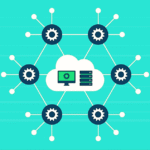
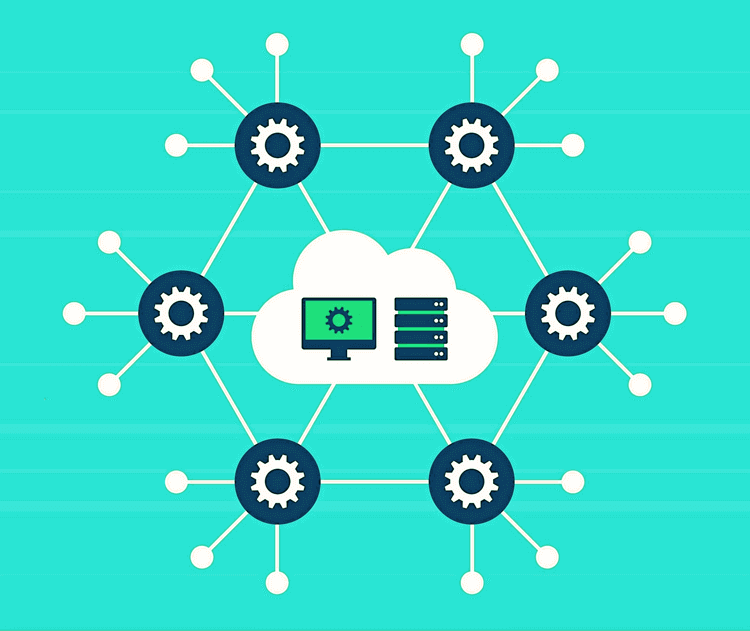
This creates a hybrid model in which edge infrastructure and cloud computing work together.
1. Faster Response Times
One of the biggest advantages of edge computing is reduced latency.
When data has to travel to a distant data center and back, even a fast network introduces some delay.
Processing information closer to the device can reduce the distance that data needs to travel.
This is particularly important for applications where rapid responses matter.
Examples include industrial automation, connected vehicles, robotics, augmented reality, and certain healthcare technologies.
For these applications, even small delays can affect performance.
2. Supporting Artificial Intelligence
Artificial intelligence is one of the technologies that could benefit significantly from edge computing.
Many AI applications require large amounts of data to be analyzed quickly.
Instead of sending every piece of information to a central server, some AI processing can take place directly on devices or nearby infrastructure.
This is sometimes called edge AI.
For example, a security camera could use AI to identify specific types of activity locally rather than continuously uploading video for remote analysis.
Similarly, a smartphone could perform certain AI tasks directly on the device.
This approach can improve responsiveness while potentially reducing the amount of information that needs to leave the device.
3. Reducing Network Traffic
Connected devices can generate enormous amounts of data.
Imagine a large industrial facility containing thousands of sensors.
If every sensor continuously transmitted raw data to a distant cloud platform, the amount of network traffic could become substantial.
Edge computing allows devices or nearby systems to process information before transmitting it.
Only important information may need to be sent to the central cloud.
This can reduce bandwidth requirements and potentially lower operating costs.
4. Improving Reliability
Edge computing can also improve resilience.
Applications that depend entirely on distant cloud infrastructure may be affected when connectivity is interrupted.
If some processing happens locally, certain functions can continue operating even when the connection to the central cloud is temporarily unavailable.
This can be particularly important for industrial systems, transportation, healthcare, and other environments where continuous operation matters.
Edge computing does not eliminate the need for connectivity, but it can reduce dependence on a constant connection to a distant server.
5. Smart Factories
Manufacturing is one of the most promising areas for edge computing.
Modern factories increasingly use sensors, cameras, robots, automated systems, and connected machinery.
These devices can generate large amounts of information that needs to be analyzed quickly.
Edge systems can process data close to the machinery.
For example, an industrial camera could detect a manufacturing defect almost immediately.
A sensor could identify unusual equipment behavior and trigger an alert.
A robotic system could respond to changing conditions without waiting for instructions from a distant data center.
This can make industrial operations more responsive.
6. Connected Vehicles
Vehicles are becoming increasingly computerized and connected.
Modern cars can collect information from cameras, sensors, navigation systems, and other components.
Some applications require extremely fast processing.
A vehicle cannot necessarily depend on a remote server to make every decision because network connections can experience delays or interruptions.
Edge computing can allow more processing to happen directly inside the vehicle or through nearby infrastructure.
This could become increasingly important as advanced driver-assistance systems and automated driving technologies develop.
7. Healthcare Applications
Healthcare technology increasingly depends on connected devices.
Wearables, medical sensors, monitoring equipment, and diagnostic systems can generate continuous streams of information.
Edge computing could allow some information to be analyzed closer to the patient or medical device.
This can potentially improve response times and reduce unnecessary data transmission.
Healthcare also has significant privacy requirements.
Processing sensitive information locally or closer to its source may reduce the amount of personal data that needs to travel across networks, although strong security and appropriate data-management practices remain essential.
8. Smart Cities
Smart-city infrastructure can include traffic sensors, environmental monitors, cameras, public transportation systems, parking systems, and energy-management equipment.
Processing all of this information centrally could create significant network demands.
Edge computing can allow local systems to process information and respond quickly.
For example, traffic systems could analyze vehicle flow and adjust signals based on current conditions.
Environmental sensors could detect unusual changes and send alerts.
Local processing can make these systems more responsive while reducing the volume of raw data sent to central platforms.
9. Retail and Customer Experiences
Retail businesses can also use edge technology.
Stores increasingly use cameras, sensors, digital displays, inventory systems, and connected payment technologies.
Edge computing can help process information locally for applications such as inventory monitoring, customer-flow analysis, and equipment management.
For example, a store could analyze sensor information to identify when shelves need attention without continuously sending every piece of sensor data to a remote system.
Retailers still need to consider privacy and regulatory requirements, particularly when technologies involve cameras or customer information.
10. Edge Computing and 5G
Edge computing and 5G can complement one another.
5G networks can provide high bandwidth, lower latency, and connectivity for large numbers of devices.
Edge computing can place processing resources closer to those devices.
Together, these technologies can create an infrastructure capable of supporting demanding real-time applications.
For example, a connected factory could use private wireless connectivity to connect machines while edge servers process data locally.
The cloud could then be used for broader analytics, long-term storage, and centralized management.
Edge and Cloud Will Work Together
It would be a mistake to think that edge computing will simply replace cloud computing.
In many cases, the two technologies will complement one another.
Edge systems are well suited to fast, local processing.
Cloud infrastructure remains useful for large-scale computing, centralized data management, training AI models, backups, and long-term analytics.
A modern system might therefore use all three layers: devices at the edge, nearby computing infrastructure, and centralized cloud platforms.
The important question is not where all computing should happen.
It is where each type of processing makes the most sense.
Security Challenges
Moving computing closer to devices creates new security considerations.
Edge infrastructure can exist in many physical locations rather than a small number of highly controlled data centers.
This can increase the number of systems that need to be secured and maintained.
Organizations need appropriate authentication, encryption, software updates, monitoring, and access controls.
Physical security can also become important when edge equipment is deployed in remote or publicly accessible locations.
The Growing Importance of Edge Skills
As edge computing becomes more widespread, organizations will need professionals who understand distributed systems.
Skills in networking, cloud computing, cybersecurity, AI, embedded systems, data processing, and infrastructure management can all be relevant.
For technology professionals, understanding how cloud and edge environments interact could become increasingly valuable.
What Could Come Next?
The future of computing is likely to become increasingly distributed.
Instead of sending every task to a centralized data center, computing resources will exist across a spectrum.
Some processing will happen directly on devices.
Some will occur on nearby edge infrastructure.
More complex workloads can be handled by centralized cloud systems.
This distributed model could support applications that would be difficult to operate efficiently through centralized infrastructure alone.
Conclusion
Edge computing could become one of the most important technology shifts of the coming years because it addresses a fundamental challenge: the growing amount of data generated by connected devices.
By processing information closer to where it is created, edge computing can reduce latency, decrease network traffic, improve resilience, and support real-time applications.
Its potential extends across artificial intelligence, manufacturing, transportation, healthcare, retail, and smart cities.
The technology is unlikely to replace cloud computing. Instead, edge and cloud systems will increasingly work together.
As more devices become intelligent and connected, the ability to process information quickly and efficiently will become increasingly important.
Edge computing may therefore remain largely invisible to everyday users while quietly becoming one of the foundations of the next generation of digital services.